






Published: 18th November 2025
💤 Sleep Talk by Sealy Posturepedic
Sleep Doctor Shares the Winter Sleep Fixes She Swears By
As the UK rapidly approaches winter, with temperatures set to drop to sub-zero levels this week, many of us can already feel the seasonal shift: darker mornings, heavier limbs, slower starts, and a dip in motivation that makes everything feel harder.
What we often call the “winter blues” is increasingly referred to as winter dread and while we tend to blame mood or motivation, one of the biggest underlying drivers may actually be our sleep.
To help us understand why this happens and what we can do about it, sleep expert Dr Alanna Hare has partnered with Sealy UK to share practical, science-backed steps that can help improve sleep quality, boost energy, and support better wellbeing during the darkest months of the year.

What Exactly Is Winter Dread?
Winter dread is more than feeling “a bit off.” It’s a physiological response to shorter days and reduced natural light.
“Daylight variation affects our circadian rhythm,” explains Dr Hare. “In darker months, your body struggles to suppress melatonin, the hormone that makes you sleepy.”
With less natural morning light to reset your internal clock, your sleep, mood, focus, and energy all start to suffer. Add cold, miserable weather and comfort-seeking habit like sleeping in and it becomes a loop that impacts your body clock as much as your mindset.
The good news? Improving your sleep can make a meaningful difference in how you feel throughout winter.
6 Winter Sleep Fixes Dr Hare Swears By
- Wake Up to Light
One of the simplest and most effective tools for resetting your body clock is light exposure as early as possible.
“Natural light is the strongest signal to your brain that it’s time to wake up,” says Dr Hare.
Try:
✔ stepping outside shortly after waking
✔ fully opening curtains
✔ using a dawn simulator lamp
All of these help reduce melatonin faster and make you feel alert sooner.
- Keep Your Room Cool Even in Winter
It may feel counterintuitive, but overheating at night reduces deep, restorative sleep.
“The body needs to cool slightly to initiate and maintain sleep,” explains Dr Hare.
Aim to keep your bedroom between 16–19°C, avoid heavy layers, and choose breathable, temperature-regulating materials from your mattress to your sleepwear.
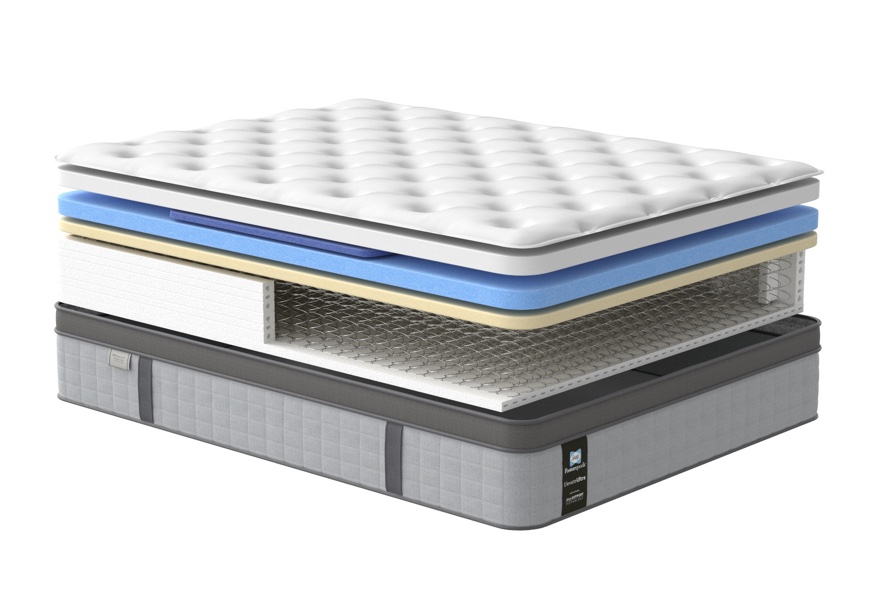
Mattresses featuring Geltex®, Sealy’s patented gel-infused foam, offer enhanced airflow and pressure relief to maintain a cooler, more consistent sleep climate.
- Support Your Body Properly
A comfortable bed matters but proper alignment matters even more.
“Research shows that when your body and spine are adequately supported, sleep quality and even the amount of deep sleep can improve,” says Dr Hare.
A supportive mattress, such as those in the Sealy Posturepedic range, helps maintain correct spinal alignment and reduces micro-awakenings that leave you feeling tired even after a full night’s sleep.
- Ditch the Viral ‘Sleep Hacks’
TikTok might be full of sleep tricks, but most aren’t backed by science.
“Mouth taping, ice baths before bed or elaborate routines are often untested, unproven and can disrupt natural sleep physiology,” says Dr Hare.
Stick to simple, proven habits not gimmicks.
- Avoid Weekend ‘Social Jet Lag’
That luxurious Sunday lie-in? It’s likely sabotaging your Monday.
“Going to bed and waking up at the same time each day stabilises your circadian rhythm,” explains Dr Hare.
Sleeping late on weekends shifts your internal clock, making weekday wake-ups more difficult.
Keep a consistent sleep window even on weekends for more stable energy and mood.
- Move During Daylight Hours
As tempting as winter hibernation feels, daytime movement builds the ‘sleep pressure’ your body needs at night.
“Even walking or stretching can significantly improve sleep quality,” says Dr Hare.
Just avoid high-intensity workouts too close to bedtime, which can delay sleep onset.
The Bottom Line
Winter dread isn’t just emotional it’s physiological, hormonal, and often fixable.
By prioritising sleep and making small, science-backed changes to your routine, you can feel more balanced, alert and resilient throughout the winter season even with freezing temperatures on the way.
🛏️ Explore more expert sleep solutions on Sealy Sleep Talk